

What does a transformer look like before it arrives at a project site? A visit to the factory reveals more than individual products—it shows how different units are arranged, packaged, and prepared for transport. These photographs from OMEGA Transformer offer a closer look at distribution transformers in the workshop, units placed in transport frames, and a large power transformer loaded onto a truck. Inside the Transformer Workshop Rows of oil-immersed transformers fill the workshop, with their tanks, bushings, and external fittings clearly visible. The photograph captures different sizes and configurations within the same production environment. For customers comparing transformer suppliers, this view provides a useful introduction to the equipment behind the product catalogue. However, selecting a transformer starts with its technical specifications: capacity, primary and secondary voltages, installation conditions, and project requirements. Distribution Transformers in Transport Frames Outside the workshop, blue distribution transformers are arranged in steel transport frames, with identification documents attached to individual units. This stage brings attention to the practical side of supplying equipment. Alongside the transformer itself, buyers need to consider packaging, handling arrangements, and the information required to identify each unit upon arrival. Packaging requirements should be discussed as part of the order, taking into account the equipment dimensions, transport method, and destination. Large Power Transformer Loading The final photograph shows a large power transformer on a flatbed truck, with radiator assemblies positioned separately alongside it. The scene illustrates how transport arrangements can differ between compact distribution transformers and larger power transformers. Equipment dimensions, component arrangements, and site unloading conditions all need to be considered when planning delivery. For project teams, discussing these details early helps clarify the scope of supply and the preparations needed at the receiving site. Tell Us About Your Project Whether you are sourcing distribution transformers or planning a larger power transformer project, OMEGA Transformer welcomes your enquiry. Please share your required capacity, primary and secondary voltages, quantity, project country, and any technical specifications or drawings. Our team can review your requirements and discuss a suitable proposal. Email: info@omegatransformer.com Contact Our Team
Transformer Tank Fabrication at OMEGA Transformer
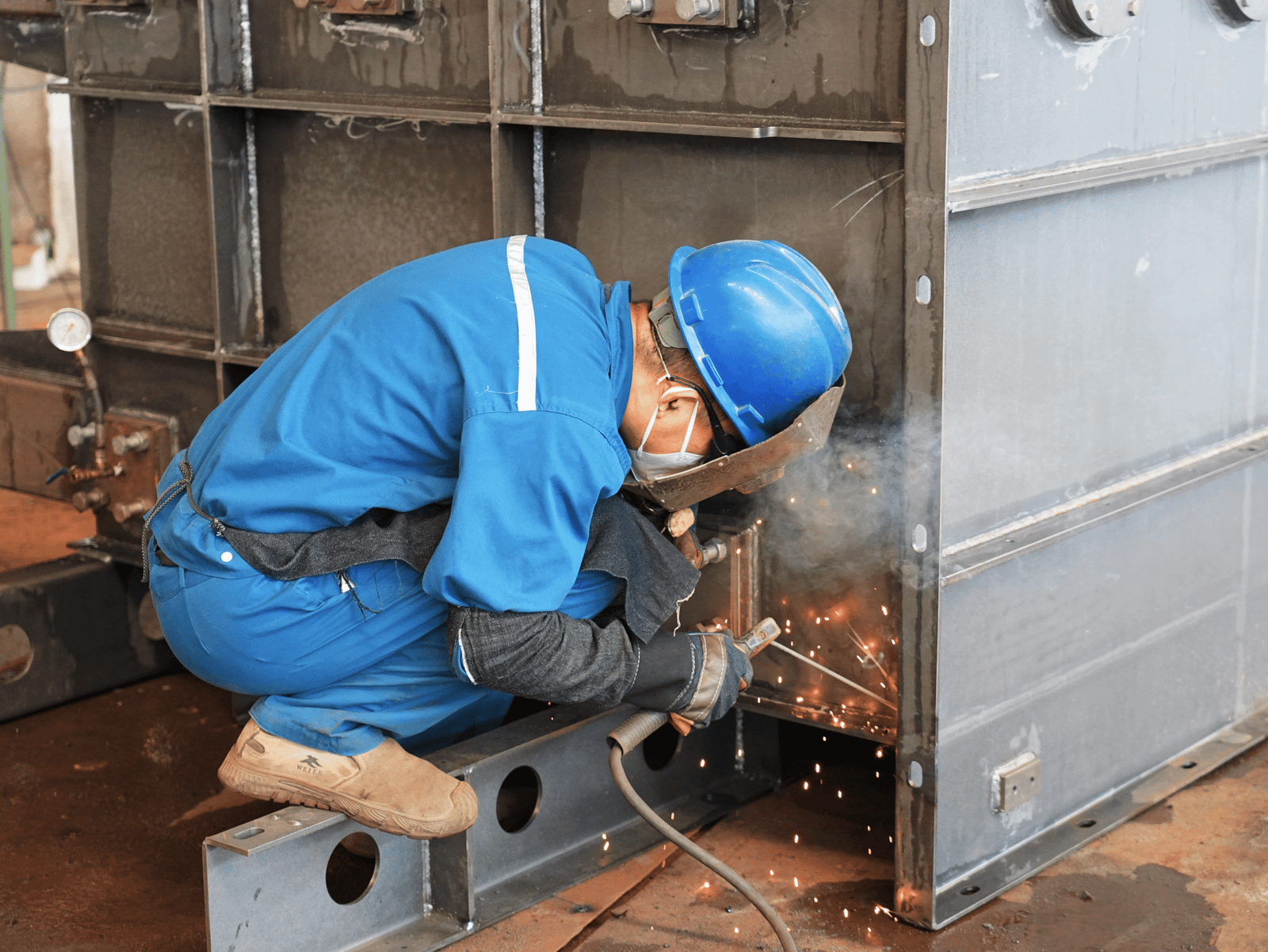
Before a transformer reaches its installation site, its steel tank takes shape through a series of fabrication and handling operations. These workshop photographs from OMEGA Transformer offer a closer look at that work—from welding large tank structures to moving fabricated components through the production area. A Closer Look at Tank Welding The first photograph shows a worker welding near the lower section of a large transformer tank. Reinforcing ribs, mounting features, and the steel base are visible around the work area, revealing details that are often hidden once the finished transformer is painted and assembled. Tank fabrication involves more than joining steel panels. It also requires attention to how individual parts fit together and how workers access each joint during assembly. Working on Finned Tank Assemblies The second photograph captures welding work on a tank assembly with cooling fins. The view brings together several elements of fabrication: the surrounding steel structure, the fin arrangement, and the worker’s access to the joint. For customers who usually see finished equipment in a catalogue, photographs like this provide a useful view of the components and hands-on work behind the final product. Moving Fabricated Tanks Through the Workshop In the third photograph, a fabricated tank is being moved by an overhead lifting system, with an operator controlling the movement nearby. This wider view shows the tank’s overall construction, including its reinforcing ribs and external fittings. It also highlights another part of manufacturing: handling large components as they move between work areas. Discuss Your Transformer Requirements These photographs document selected moments in the manufacturing process, giving customers a closer view of the workshop behind OMEGA Transformer. Are you sourcing transformers for an upcoming project? Share your required capacity, voltage levels, installation environment, and quantity with our team so we can discuss your needs. Contact: info@omegatransformer.com
Inside OMEGA Factory: Transformer Manufacturing from Winding to Enclosures
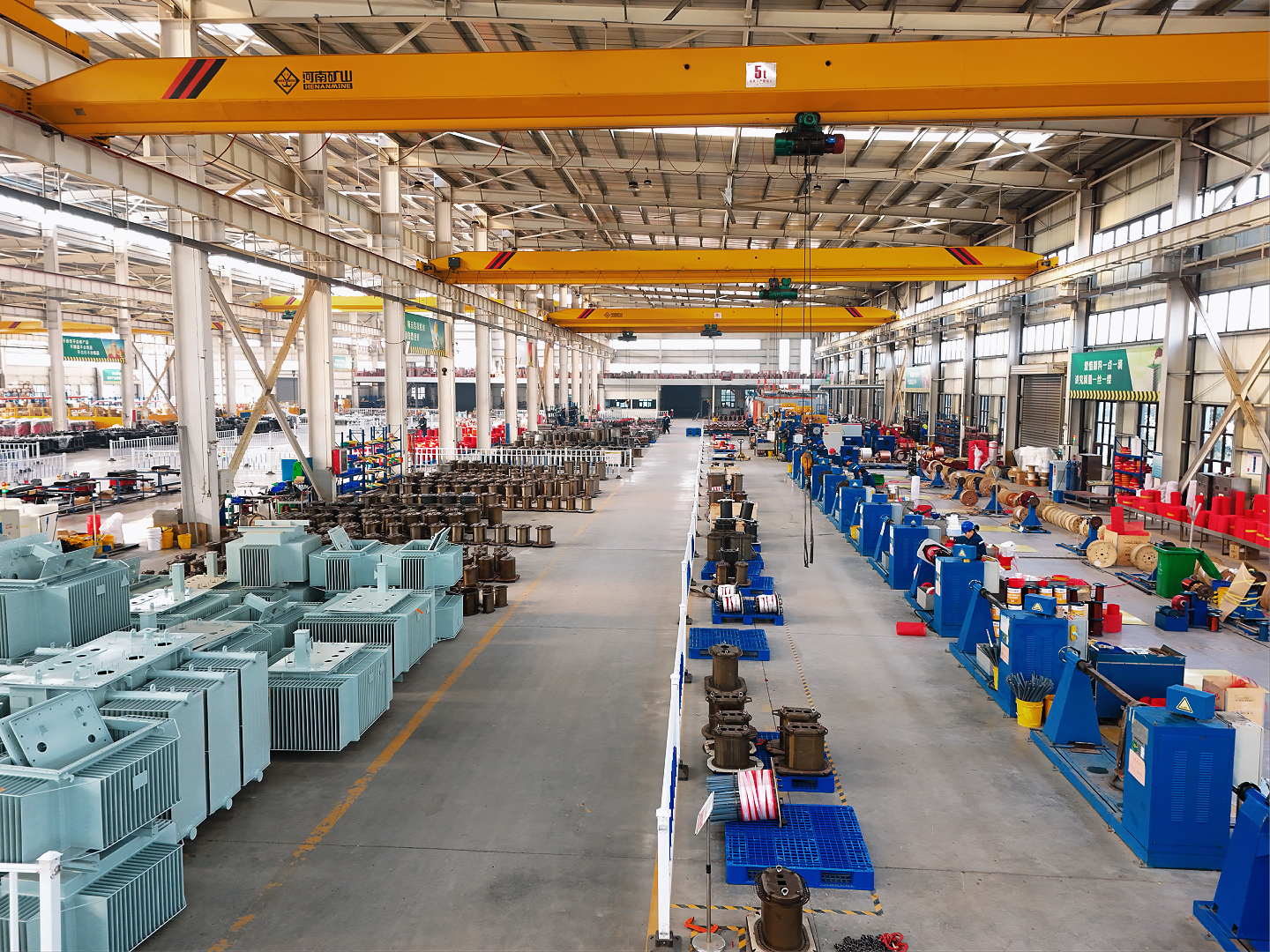
Transformer manufacturing requires the careful coordination of electrical component production, structural fabrication, material handling, assembly, inspection, and testing. Inside the OMEGA Transformer factory, different production areas work together according to approved technical documents and project requirements. The factory is organized into dedicated working zones supported by production equipment, overhead cranes, marked transport routes, and designated material storage areas. This layout helps components move between manufacturing stages while allowing the production team to coordinate materials, schedules, and quality checks throughout the project. The winding workshop contains multiple winding machines, conductor reels, and material preparation areas. During production, operators follow the approved drawings and process requirements for conductor arrangement, insulation placement, winding dimensions, and component identification. These controls help prepare transformer windings for the subsequent assembly and inspection stages. Transformer manufacturing also involves the preparation of tanks, protective enclosures, panels, and other structural components. The sheet-metal processing area uses specialized equipment to prepare parts according to the required dimensions and product configuration. Materials are arranged near the relevant production stations to support an efficient manufacturing workflow. Each transformer project may have different requirements for rated capacity, voltage levels, frequency, vector group, impedance, cooling method, enclosure design, accessories, applicable standards, and installation environment. For this reason, OMEGA reviews the customer’s technical specifications before production planning and material preparation begin. After the main components are prepared, they proceed to the relevant assembly, inspection, and factory testing stages. The applicable inspection and testing requirements are confirmed according to the transformer design, customer specifications, and agreed technical standards. These factory views show only part of the manufacturing process, but they reflect the equipment, production organization, and coordination behind OMEGA transformer projects. Planning a transformer project? Send us your required capacity, primary and secondary voltage, frequency, quantity, installation environment, applicable standard, and delivery destination. Our team will review your requirements and assist with product selection and quotation. Contact OMEGA Transformer: https://omegatransformer.com/contact/
From Transformer Assembly to Electrical Testing
Transformer manufacturing brings together a series of carefully coordinated production stages. From handling internal components to completing the external connections, each step must follow the transformer design and the technical requirements of the project. In the assembly area, technicians use lifting equipment to move and position transformer components. The surrounding windings and core sections show the scale of the internal structures that will eventually operate inside the transformer tank. As assembly continues, technicians work around the transformer cover, bushings, connections, and other visible components. Careful positioning at this stage helps prepare the unit for the following inspection and testing procedures. The featured photograph provides a close view of this work on a larger oil-immersed transformer, showing how manual inspection remains an important part of the factory process. After assembly, electrical measurements provide technical data for reviewing the transformer against its specified requirements. Test leads are connected to the appropriate terminals, while the operator monitors the equipment and records the results. The testing area shown here contains several oil-immersed distribution transformers connected to the test system. The arrangement allows technicians to work with different units in an organized factory environment. After assembly, electrical measurements provide technical data for reviewing the transformer against its specified requirements. Test leads are connected to the appropriate terminals, while the operator monitors the equipment and records the results. The testing area shown here contains several oil-immersed distribution transformers connected to the test system. The arrangement allows technicians to work with different units in an organized factory environment. These photographs present three connected stages inside the OMEGA factory: component handling, transformer assembly, and electrical testing. Together, they give customers a clearer view of the people, equipment, and production environment behind the finished transformer. If your project has specific requirements for transformer capacity, voltage levels, testing, documentation, or customer witness arrangements, contact our team at info@omegatransformer.com.
OMEGA’s 220 kV Transformer Testing Laboratory
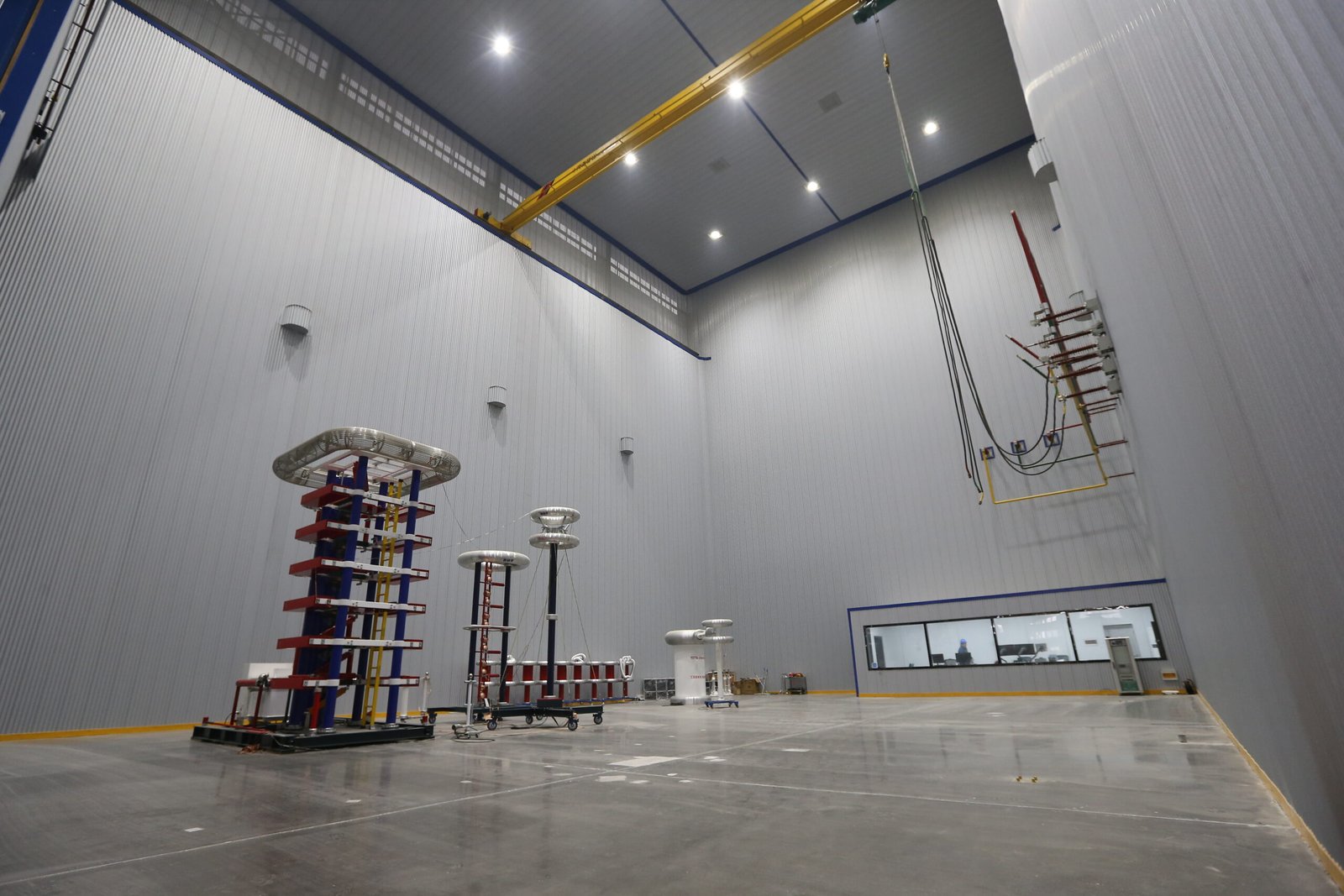
Step inside OMEGA’s 220 kV transformer testing laboratory. These photographs introduce the test hall and its separate control room, offering customers a closer look at another part of our factory beyond the production workshops. The spacious hall contains high-voltage test equipment, overhead lifting facilities, and an open floor area for arranging test setups. A closer view shows the equipment positioned within the laboratory, with connecting leads and large access doors also visible. In the control room, staff work at a console equipped with multiple screens, switches, and control buttons. A large observation window looks into the test hall, separating the operating area from the equipment space. This view highlights the people and monitoring arrangements behind laboratory work. Test preparation, measurement records, and the review of results are important parts of assessing equipment against the requirements agreed for a project. In the control room, staff work at a console equipped with multiple screens, switches, and control buttons. A large observation window looks into the test hall, separating the operating area from the equipment space. This view highlights the people and monitoring arrangements behind laboratory work. Test preparation, measurement records, and the review of results are important parts of assessing equipment against the requirements agreed for a project. For customers, discussing testing requirements is an important part of specifying a transformer. The applicable test items, acceptance criteria, documentation, and any witness arrangements should be clarified with the technical team for each order. These laboratory photographs complement our workshop images, giving customers a broader view of OMEGA’s facilities and the work behind our transformer products. To discuss your transformer specifications and testing requirements, contact our team at info@omegatransformer.com.
Sheet Metal Processing for Electrical Enclosures
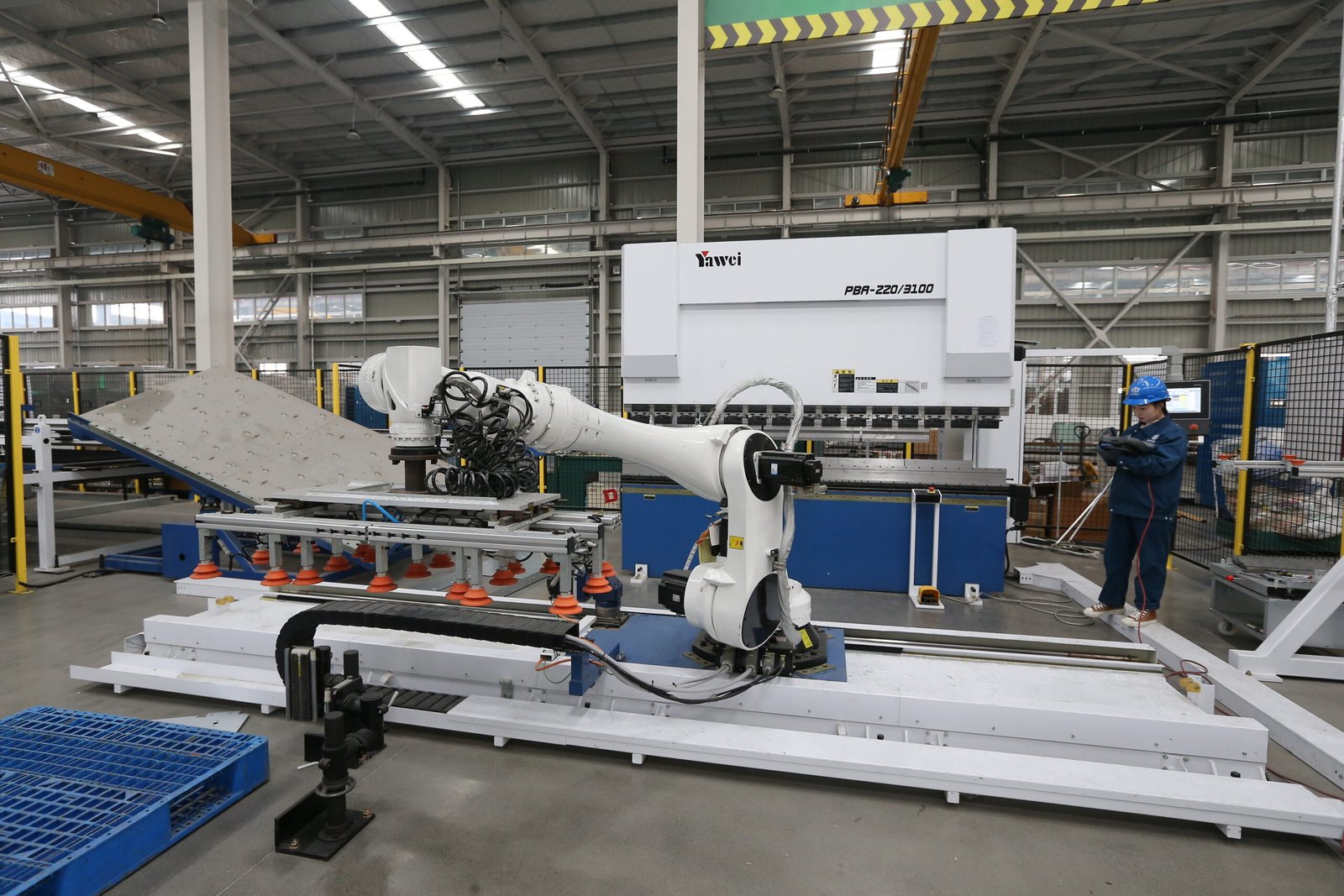
Behind every electrical enclosure are the metal panels, doors, and structural parts that form its housing. This photo tour of OMEGA’s workshop highlights the equipment and hands-on work involved in preparing these components. The images show sheet metal processing machinery, an operator handling shaped panels, and a robotic handling system beside a press brake. Together, they offer a closer look at the manufacturing work behind the finished cabinet. Equipment Behind the Enclosure The workshop’s sheet metal equipment provides a starting point for producing cabinet components. The machine shown here has a broad working table, with processed metal sections visible nearby and electrical cabinets in the background. Panels and structural parts need to match the intended enclosure layout. Their dimensions, openings, and fixing points all contribute to how the components fit together during assembly. A Closer Look at the Processing Area This photograph provides a detailed view of the punching equipment, including its control panel, tooling area, and sheet support table. It shows the machinery behind the shaped openings and profiles used in sheet metal components. Equipment is one part of the process. Suitable tooling, correct setup, and checks against the production drawings also matter when preparing components for the next manufacturing stage. From Processed Sheets to Assembly Components An operator handles shaped metal panels beside the machine, with additional pieces laid out on the worktables. The photograph captures the practical work of separating and organising components after processing. Depending on the design, these parts may require further bending, joining, or surface finishing before assembly. This stage connects the flat sheet material with the doors, panels, and structures used in an electrical enclosure. Robotic Handling and Bending Equipment The opening photograph shows a robotic arm with a suction gripping system positioned beside a press brake. This arrangement brings sheet handling and bending equipment together in one work area. For customers exploring our manufacturing facilities, these photographs provide a view of both the machinery and the people involved in preparing enclosure components. Discuss Your Project with OMEGA Looking for transformers, prefabricated substations, or related electrical equipment? Share your specifications and any enclosure layout requirements with our team. Contact info@omegatransformer.com to discuss your project.
A Photo Tour of Our Workshops
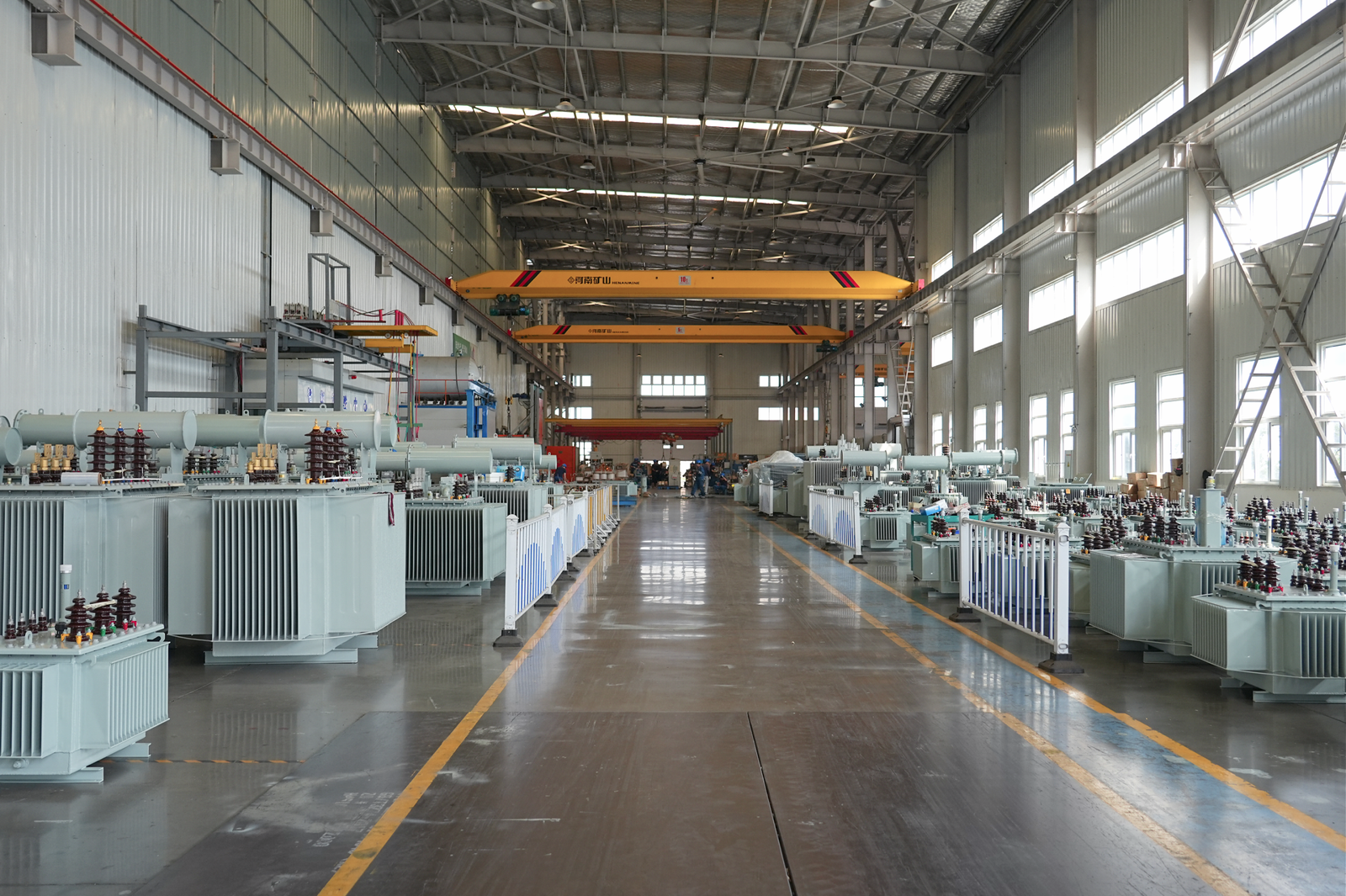
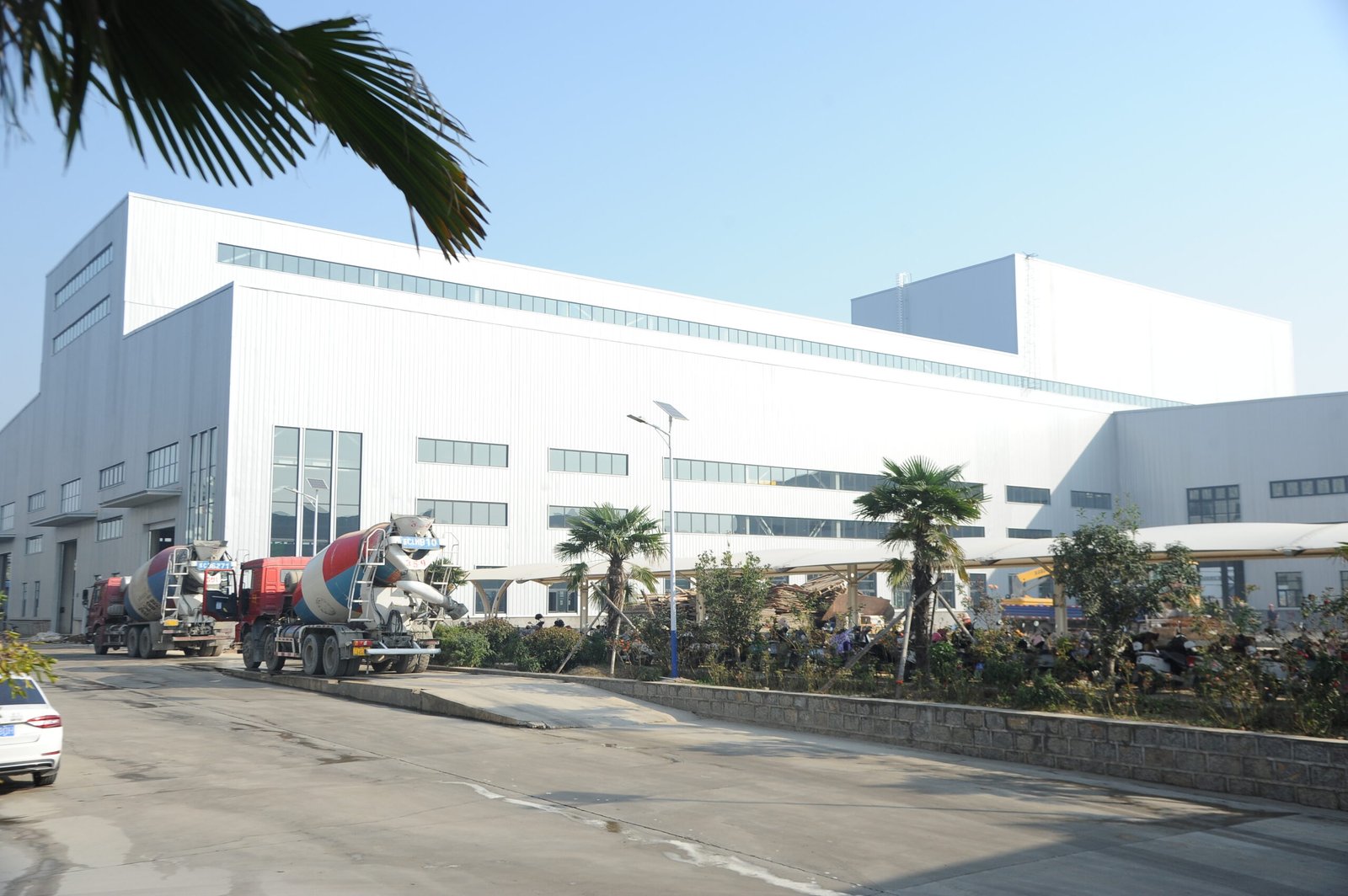
Oil-Immersed Transformers on the Workshop Floor This workshop view shows rows of oil-immersed transformers arranged alongside a central aisle. Different tank sizes and configurations can be seen across the floor, with overhead cranes installed above the working area. For customers sourcing transformers, appearance is only the starting point. Rated capacity, voltage ratio, installation conditions, and project specifications determine which design is suitable. Our team can discuss these requirements with you and help clarify the available options. Take a closer look at OMEGA Transformer through this photo tour of our factory and workshops. From the exterior of our buildings to the oil-immersed and dry-type transformers inside, these images offer a view of the facilities and equipment behind our products. For customers getting to know OMEGA, factory photographs provide useful context beyond a product catalogue. They show our working environment, workshop layout, and the different types of transformers we manufacture. Take a closer look at OMEGA Transformer through this photo tour of our factory and workshops. From the exterior of our buildings to the oil-immersed and dry-type transformers inside, these images offer a view of the facilities and equipment behind our products. For customers getting to know OMEGA, factory photographs provide useful context beyond a product catalogue. They show our working environment, workshop layout, and the different types of transformers we manufacture. A Closer Look at Dry-Type Transformer Assembly The next photograph shows our dry-type transformer workshop, with red cast-resin coils, units at different stages of assembly, and technicians working along the production area. A separate testing area is also visible beside the main aisle. This view gives customers a closer look at the components and assembly work behind the finished equipment. It also shows another part of OMEGA’s product range alongside the oil-immersed transformers featured earlier in the tour.