

How Cast Resin Transformer Coils Are Wound and Cast OMEGA Transformer’s dry-type transformer workshop uses separate machines for high-voltage winding and low-voltage foil winding. Its vacuum casting system prepares and meters resin and hardener before casting. These are three stages buyers can ask to see on a factory visit. High-voltage winding and low-voltage foil winding The workshop has two types of winding equipment. High-voltage winding machines wind magnet wire, while low-voltage foil machines form coils from copper or aluminum foil, according to the design. If conductor material is specified in your tender, include it with the rated capacity and voltage ratio so the offer can be checked against your requirements. How the two casting materials are prepared The vacuum casting system handles two materials, resin and hardener. The equipment description shows separate degassing before metering. The materials are then fed at a set ratio into a static mixer and routed through the casting distribution valve. On a factory visit, ask which coil assembly is being processed and how the casting settings are matched to that design. Three details to provide for a quotation Provide the rated capacity in kVA, the primary and secondary voltages, and the required winding conductor material. If the tender also specifies a partial discharge limit or a temperature-rise requirement, include the test and acceptance criteria with the inquiry. Request a dry-type transformer quotation. Can I specify copper or aluminum windings when requesting a cast resin transformer quote? Yes. State the material required for each winding and include your technical specification. The offered construction can then be checked against your tender. What can I ask to see during a dry-type transformer factory visit? Ask about high-voltage winding, low-voltage foil winding and the vacuum casting area. Confirm which stages will be running during your visit. Yes. State the material required for each winding and include your technical specification. The offered construction can then be checked against your tender. Ask about high-voltage winding, low-voltage foil winding and the vacuum casting area. Confirm which stages will be running during your visit.
Transformer Factory Testing: Process and Buyer Checklist
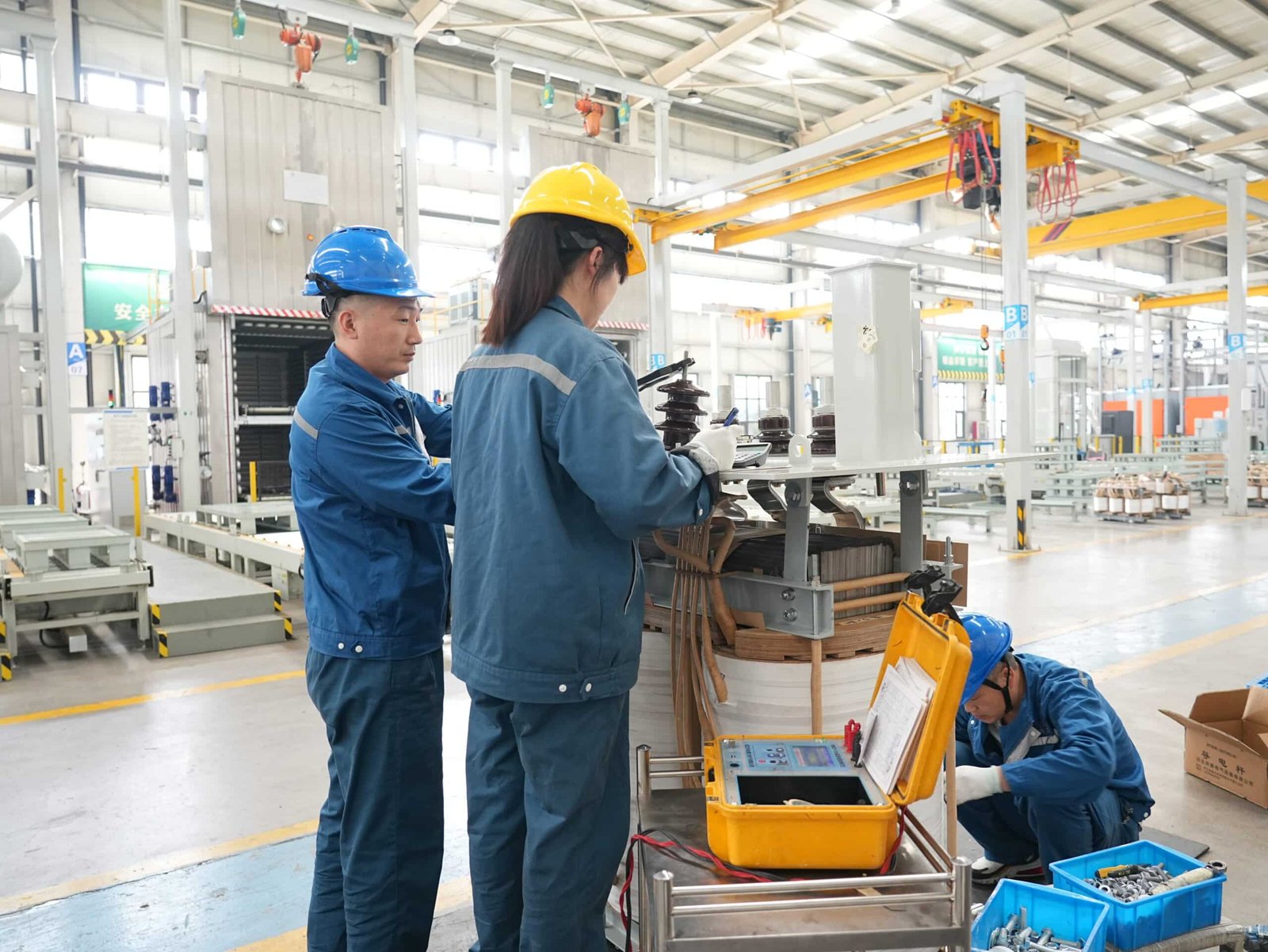
The photos show an oil-immersed distribution transformer. Test items, acceptance criteria and witnessing arrangements are confirmed for each model and project. 1. Verify Test Connections at the Transformer Technicians connect the test leads to the transformer terminals and verify the connection points before measurements begin. The photo below shows the terminal connections used to prepare the unit for testing. Test leads connected to transformer terminals before measurement. 2. Monitor Measurements at the Test Station During testing, the operator monitors readings from the control station while technicians work in the test area. The photo below shows the monitoring station used to observe the measurements. Control station used to monitor electrical measurements during transformer testing. 3. Review Recorded Results Before Shipment The team reviews the recorded measurements against the technical requirements agreed for the unit. If your purchase specification includes a report or an inspection hold point, confirm the required scope and timing during the quotation stage. Before shipment, OMEGA Transformer technicians verify test connections, monitor electrical measurements and review recorded results against the agreed project requirements. If your order requires specific tests, a report or customer witnessing, confirm those requirements with us before placing the order. What to Send With a Transformer Testing Inquiry Include these five items so we can review your testing requirements alongside the transformer specification. 1.Transformer type and rated capacity (kVA or MVA). 2.Primary and secondary voltages, plus operating frequency. 3.Applicable standard and any project-specific acceptance criteria. 4.Required test items and report format. 5.Customer or third-party witnessing requirements, if applicable. For model specifications and voltage options, view all transformer products. Can I request a factory test report for my transformer order? Send your transformer specification and required report format with your inquiry. We’ll confirm which documents apply to the proposed unit and discuss how they can be shared. How do I request customer or third-party witnessing for transformer factory testing? Include the tests you want witnessed, who will attend and any inspection hold points in your inquiry. We’ll review the scope and scheduling with you before the order. What information should I provide to confirm factory testing for my transformer order? Send the transformer type, rated capacity, primary and secondary voltages, frequency and applicable standard. Include any required test items, acceptance criteria and report format. Send your transformer specification and required report format with your inquiry. We’ll confirm which documents apply to the proposed unit and discuss how they can be shared. Include the tests you want witnessed, who will attend and any inspection hold points in your inquiry. We’ll review the scope and scheduling with you before the order. Send the transformer type, rated capacity, primary and secondary voltages, frequency and applicable standard. Include any required test items, acceptance criteria and report format.
Inside an Electrical Distribution Cabinet: Busbars, Breakers and Controls
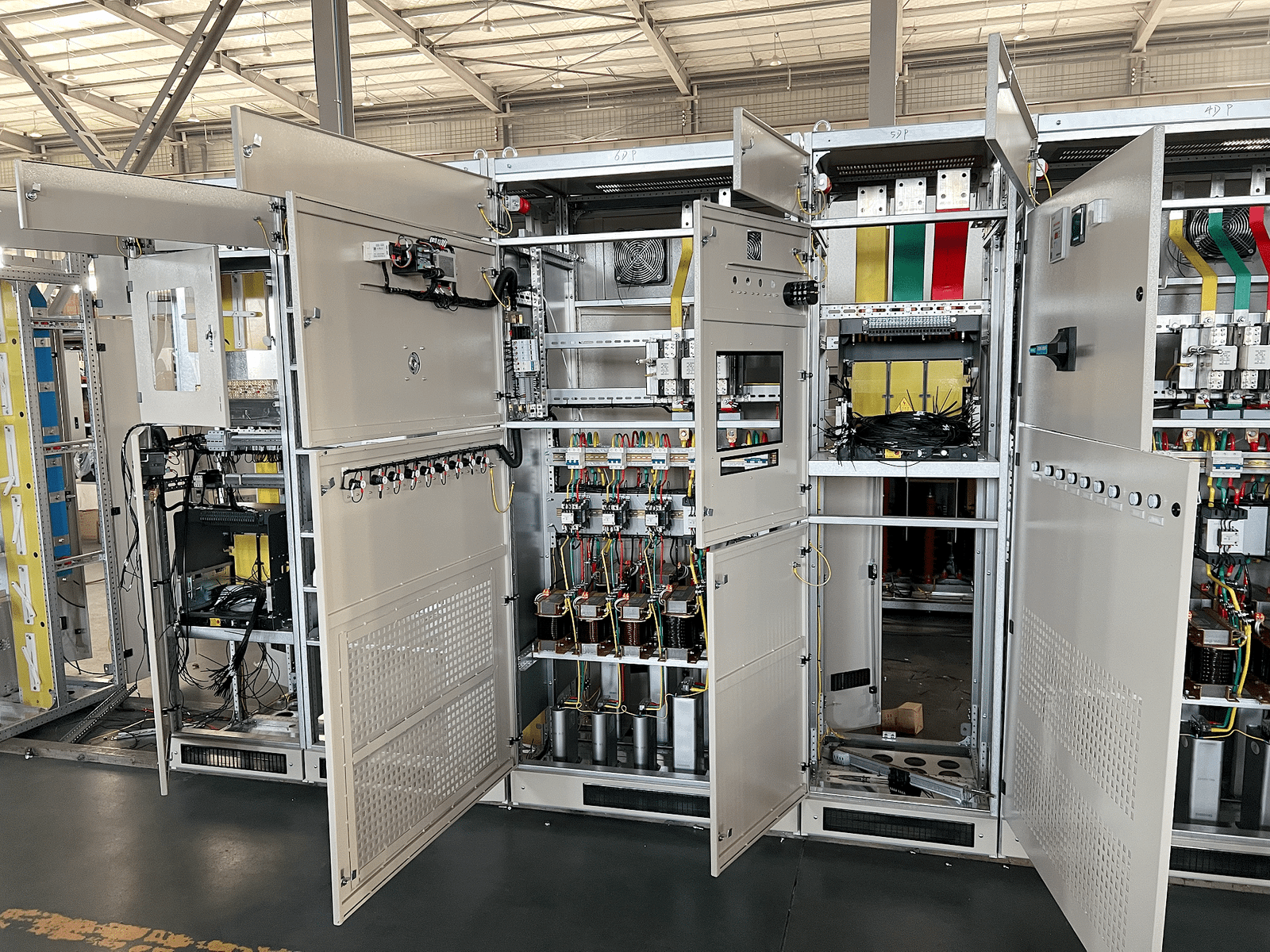
Electrical Distribution Cabinets for Industrial and Transformer Projects OMEGA Transformer works with industrial buyers and EPC contractors on electrical distribution cabinets for new installations and transformer projects. We review the incoming supply, outgoing feeders, metering and control requirements to define the cabinet configuration and scope of supply. BeforeAfter Distribution Cabinets Configured for Your Project Start with your single-line diagram and feeder schedule. We use them to review the incoming supply, the number and ratings of outgoing circuits, and the required switching and protection functions. The quotation can then specify the proposed busbar and circuit breaker arrangement, cabinet layout and cable entry. Color-coded busbar assembly and circuit breaker layout in the workshop. Metering and Controls Based on How You Operate Tell us what your operators need to read, monitor or control at the cabinet. We can review requirements for local meters, status indicators, push buttons and alarms. If your project calls for remote monitoring, include the required signals and interface in your inquiry so we can confirm what is included in the quotation. Color-coded busbar assembly and circuit breaker layout in the workshop. Coordinating Distribution Cabinets With Dry-Type Transformers If your project needs both a dry-type transformer and distribution cabinets, include both in the same inquiry. We can review the transformer secondary voltage, the connection between the transformer and the cabinet, and the installation space together. The quotation can then identify which assemblies and connections are included in the supply. Dry-type transformer housed in a separate enclosure. What to Send for a Distribution Cabinet Quote 1.Single-line diagram, system voltage and frequency. 2.Incoming supply rating and the number and ratings of outgoing feeders. 3.Required protection, metering and control functions. 4.Installation environment, available space and preferred cable entry. 5.Applicable standards, inspection requirements and requested documents. Send your project specifications to OMEGA Transformer. Can I request a quote before my single-line diagram is ready? Yes. Start with the system voltage, incoming supply rating, number of outgoing feeders and their loads. Note which details still need to be confirmed. Can I request a dry-type transformer and distribution cabinets in the same quotation? Yes. Send the transformer capacity and primary and secondary voltages, along with the feeder schedule and installation conditions. Specify which assemblies and connections you want included. Can I specify the metering, controls and cable entry for my cabinet? Yes. Include your metering and control requirements, cable entry preference and any space limits in your inquiry. We’ll confirm the proposed configuration during quotation. Yes. Start with the system voltage, incoming supply rating, number of outgoing feeders and their loads. Note which details still need to be confirmed. Yes. Send the transformer capacity and primary and secondary voltages, along with the feeder schedule and installation conditions. Specify which assemblies and connections you want included. Yes. Include your metering and control requirements, cable entry preference and any space limits in your inquiry. We’ll confirm the proposed configuration during quotation.
Power Transformer Shipping Services for Overseas Projects
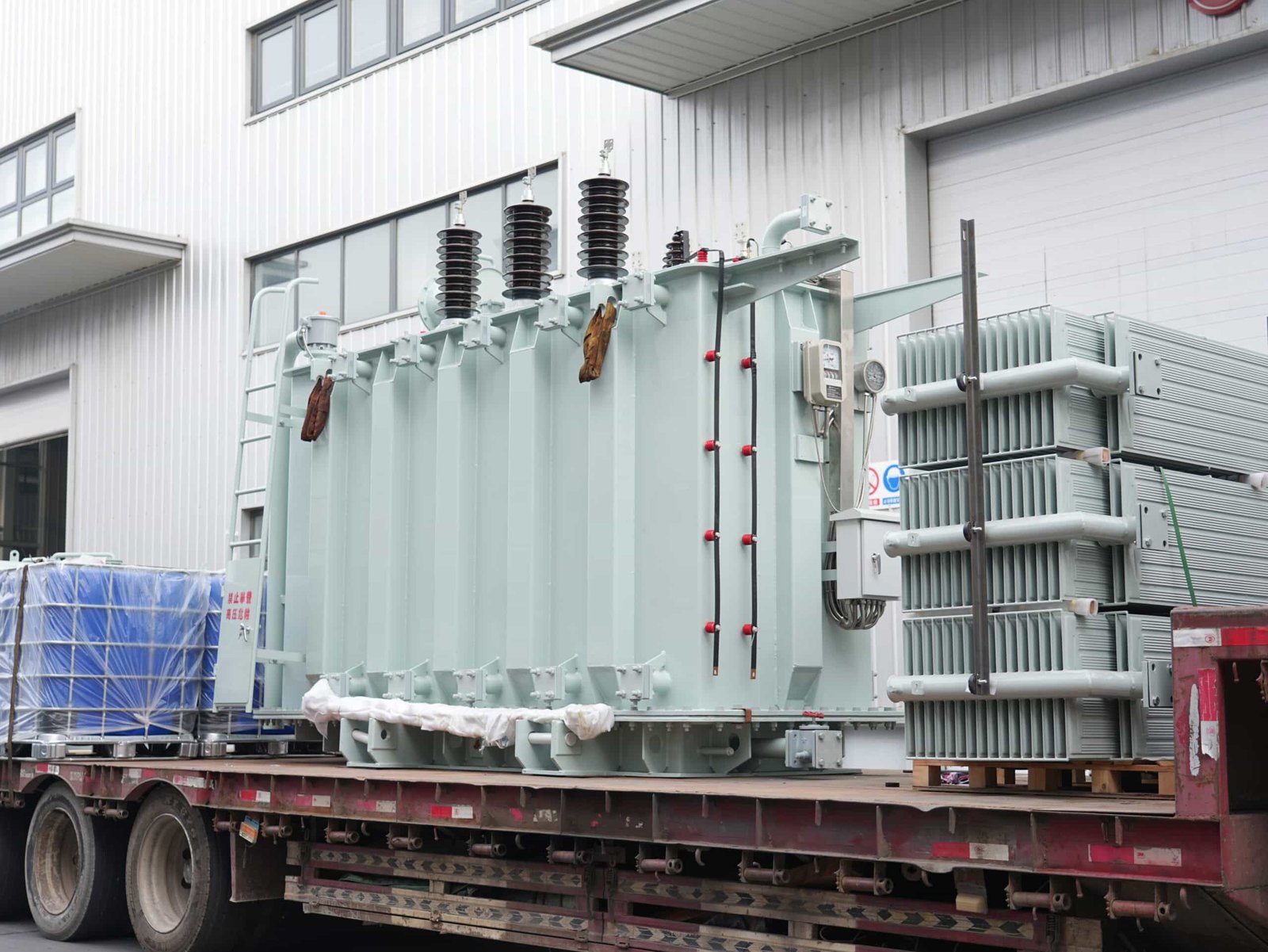
OMEGA Transformer supplies large power transformers for projects in Central Asia, Latin America and South Asia. We coordinate factory dispatch with the buyer and confirm packing, transport dimensions, delivery terms and shipping documents for each order. Shipment Examples from Central Asia, Latin America and South Asia OMEGA’s shipment examples cover three regions: Central Asia, Latin America and South Asia. Each order has its own equipment configuration and delivery requirements. The dispatch plan takes into account the transformer’s transport dimensions and weight, the destination and the agreed scope of delivery. Preparing the Transformer and Accessories for Dispatch Before dispatch, we confirm which components will travel with the main unit and which accessories will be packed separately. For projects with site access or lifting constraints, share those details early so the shipping plan can account for them. Buyers can also specify the packing list, equipment identification and other documents they need for receiving the shipment. Confirming Delivery Terms Before Shipment Share the destination country, named port or delivery point, and preferred Incoterm when requesting a quote. We use these details to clarify who arranges each part of the journey and where the shipment will be handed over. Production and transport schedules are confirmed separately for each order. What to Send for a Transformer Quote With Shipping 1.Rated capacity in MVA, primary and secondary voltages, frequency and quantity. 2.Destination country and named port or delivery point. 3.Preferred Incoterm and requested delivery window. 4.Known restrictions on site access, unloading or lifting. 5.Packing, inspection and shipping document requirements. Send your transformer specifications and delivery requirements to OMEGA Transformer. Can I request a transformer quote that includes shipping to my destination port? Yes. Send the transformer specifications, destination port and preferred Incoterm. We’ll confirm which transport services can be included in the quotation. What should I provide if my project site has limited access for heavy equipment? Share any known vehicle, route or unloading restrictions and the lifting equipment available at the site. Include access drawings or photos if available. Can transformer accessories be packed separately from the main unit? The packing arrangement depends on the transformer design and the agreed transport configuration. We can confirm which accessories will ship separately and how they will be identified on the packing list. Yes. Send the transformer specifications, destination port and preferred Incoterm. We’ll confirm which transport services can be included in the quotation. Share any known vehicle, route or unloading restrictions and the lifting equipment available at the site. Include access drawings or photos if available. The packing arrangement depends on the transformer design and the agreed transport configuration. We can confirm which accessories will ship separately and how they will be identified on the packing list.
How to Review an S11 Oil-Immersed Transformer Outline Drawing
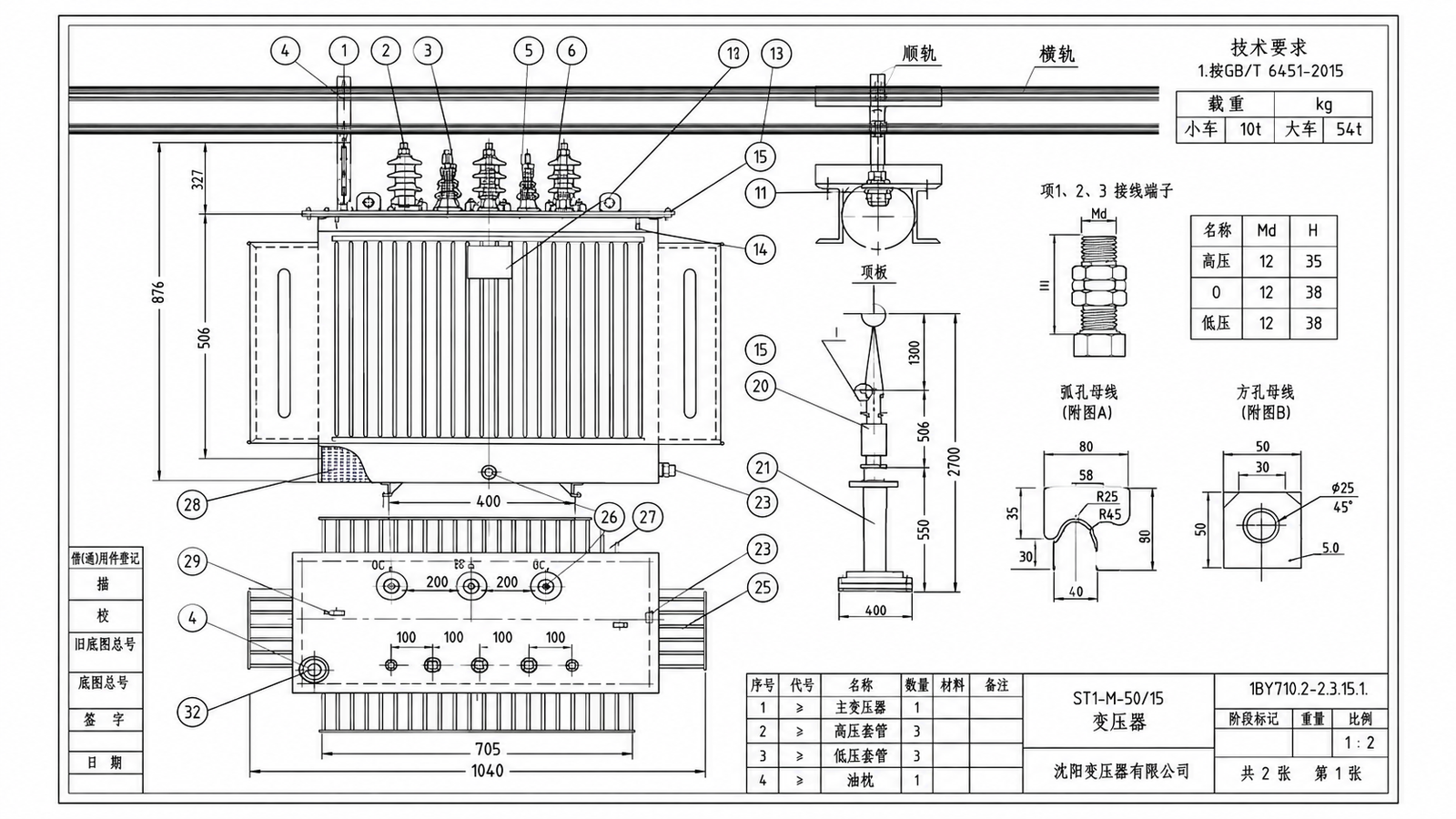
How to Review an S11 Oil-Immersed Transformer Outline Drawing Before approving an S11 oil-immersed transformer outline drawing, check the installation footprint, bushing arrangement and handling details. Share your site layout and cable entry direction with OMEGA Transformer so these interfaces can be reviewed during quotation. Check the Front View and Plan View Together Use the front view to check the overall height and the position of top-mounted components. Use the plan view to check the footprint, mounting points and orientation on the foundation. Compare both views with the installation layout, including nearby walls, cable routes and access space. Review Bushing Positions and Cable Entry Identify the high-voltage and low-voltage terminals on the project drawing. Check which side each cable approaches from, where it terminates and whether there is space for the planned connection. If the transformer will connect to an existing switchgear cabinet, include the cabinet layout or cable exit locations in your inquiry. Confirm Which Dimensions and Weights Apply to Delivery Ask for the transport dimensions and shipping weight in addition to the installed dimensions and total weight. Confirm which accessories will travel separately and which drawing identifies the lifting points. This gives the receiving team the information needed to plan unloading and movement to the foundation. What to Send for an S11 Transformer Quotation 1.Rated capacity in kVA, primary and secondary voltages, frequency and quantity. 2.Foundation layout, available installation space and cable entry direction. 3.Required mounting arrangement and any limits on transport dimensions or weight. 4.Destination and any known unloading or site access restrictions. Request a quote and share your project requirements. Which drawing should I use to prepare the transformer foundation? Use the approved project outline drawing. Confirm the footprint, mounting point spacing and cable entry locations before preparing the foundation. Can I request an S11 transformer quote before the site layout is finalized? Yes. Send the required capacity, voltage ratio and any known space limits. Identify the dimensions and connection details that are still being finalized. What should I check before replacing a transformer on an existing foundation? Check the mounting point spacing, overall dimensions, terminal positions and cable approach. Share the existing transformer drawing or site measurements with your inquiry. Use the approved project outline drawing. Confirm the footprint, mounting point spacing and cable entry locations before preparing the foundation. Yes. Send the required capacity, voltage ratio and any known space limits. Identify the dimensions and connection details that are still being finalized. Check the mounting point spacing, overall dimensions, terminal positions and cable approach. Share the existing transformer drawing or site measurements with your inquiry.

From Workshop to Dispatch: Inside OMEGA Transformer
What does a transformer look like before it arrives at a project site? A visit to the factory reveals more than individual products—it shows how different units are arranged, packaged, and prepared for transport. These photographs from OMEGA Transformer offer a closer look at distribution transformers in the workshop, units placed in transport frames, and a large power transformer loaded onto a truck. Inside the Transformer Workshop Rows of oil-immersed transformers fill the workshop, with their tanks, bushings, and external fittings clearly visible. The photograph captures different sizes and configurations within the same production environment. For customers comparing transformer suppliers, this view provides a useful introduction to the equipment behind the product catalogue. However, selecting a transformer starts with its technical specifications: capacity, primary and secondary voltages, installation conditions, and project requirements. Distribution Transformers in Transport Frames Outside the workshop, blue distribution transformers are arranged in steel transport frames, with identification documents attached to individual units. This stage brings attention to the practical side of supplying equipment. Alongside the transformer itself, buyers need to consider packaging, handling arrangements, and the information required to identify each unit upon arrival. Packaging requirements should be discussed as part of the order, taking into account the equipment dimensions, transport method, and destination. Large Power Transformer Loading The final photograph shows a large power transformer on a flatbed truck, with radiator assemblies positioned separately alongside it. The scene illustrates how transport arrangements can differ between compact distribution transformers and larger power transformers. Equipment dimensions, component arrangements, and site unloading conditions all need to be considered when planning delivery. For project teams, discussing these details early helps clarify the scope of supply and the preparations needed at the receiving site. Tell Us About Your Project Whether you are sourcing distribution transformers or planning a larger power transformer project, OMEGA Transformer welcomes your enquiry. Please share your required capacity, primary and secondary voltages, quantity, project country, and any technical specifications or drawings. Our team can review your requirements and discuss a suitable proposal. Email: info@omegatransformer.com Contact Our Team

Transformer Tank Fabrication at OMEGA Transformer
Before a transformer reaches its installation site, its steel tank takes shape through a series of fabrication and handling operations. These workshop photographs from OMEGA Transformer offer a closer look at that work—from welding large tank structures to moving fabricated components through the production area. A Closer Look at Tank Welding The first photograph shows a worker welding near the lower section of a large transformer tank. Reinforcing ribs, mounting features, and the steel base are visible around the work area, revealing details that are often hidden once the finished transformer is painted and assembled. Tank fabrication involves more than joining steel panels. It also requires attention to how individual parts fit together and how workers access each joint during assembly. Working on Finned Tank Assemblies The second photograph captures welding work on a tank assembly with cooling fins. The view brings together several elements of fabrication: the surrounding steel structure, the fin arrangement, and the worker’s access to the joint. For customers who usually see finished equipment in a catalogue, photographs like this provide a useful view of the components and hands-on work behind the final product. Moving Fabricated Tanks Through the Workshop In the third photograph, a fabricated tank is being moved by an overhead lifting system, with an operator controlling the movement nearby. This wider view shows the tank’s overall construction, including its reinforcing ribs and external fittings. It also highlights another part of manufacturing: handling large components as they move between work areas. Discuss Your Transformer Requirements These photographs document selected moments in the manufacturing process, giving customers a closer view of the workshop behind OMEGA Transformer. Are you sourcing transformers for an upcoming project? Share your required capacity, voltage levels, installation environment, and quantity with our team so we can discuss your needs. Contact: info@omegatransformer.com
Inside OMEGA Factory: Transformer Manufacturing from Winding to Enclosures
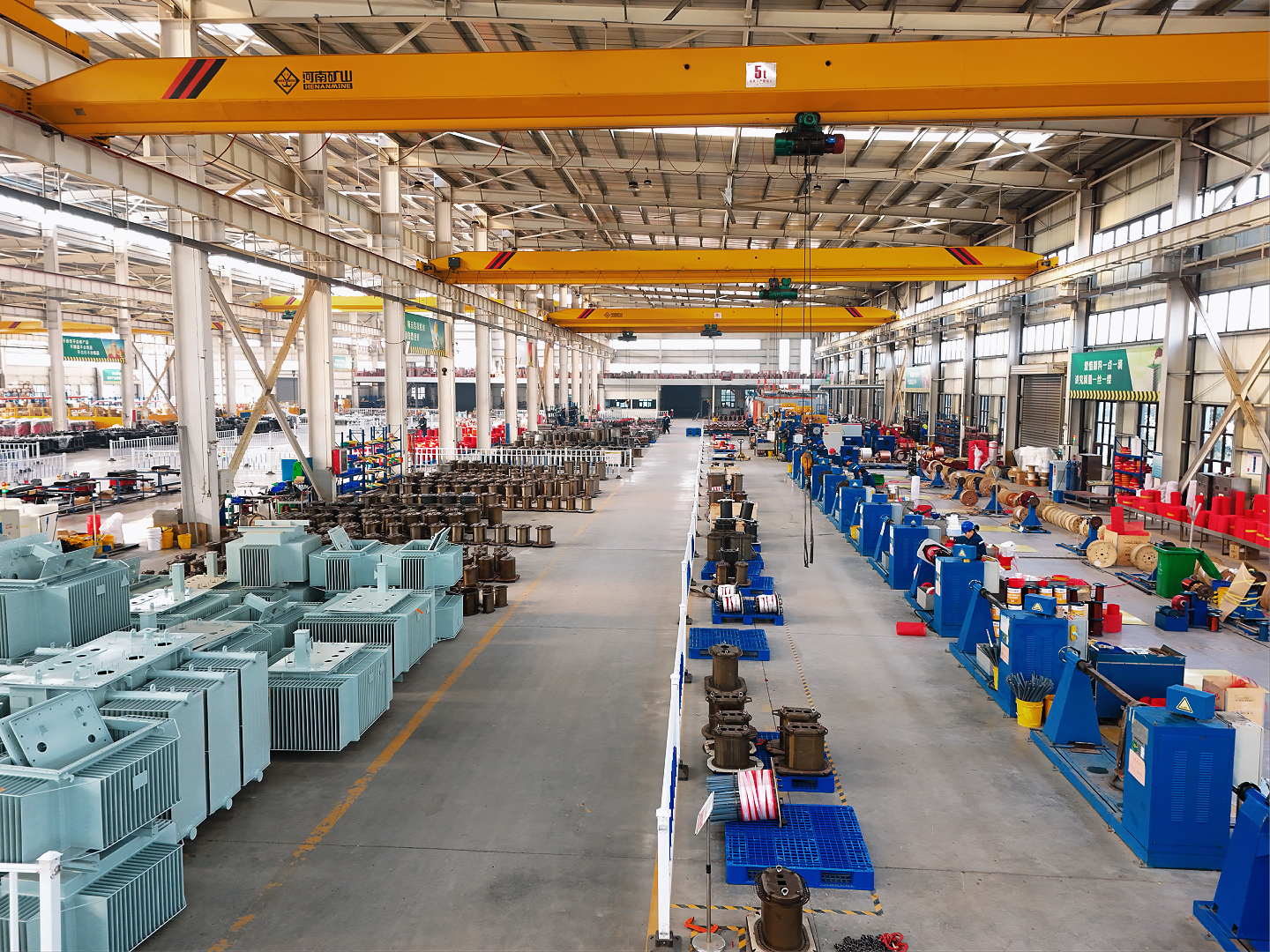
Transformer manufacturing requires the careful coordination of electrical component production, structural fabrication, material handling, assembly, inspection, and testing. Inside the OMEGA Transformer factory, different production areas work together according to approved technical documents and project requirements. The factory is organized into dedicated working zones supported by production equipment, overhead cranes, marked transport routes, and designated material storage areas. This layout helps components move between manufacturing stages while allowing the production team to coordinate materials, schedules, and quality checks throughout the project. The winding workshop contains multiple winding machines, conductor reels, and material preparation areas. During production, operators follow the approved drawings and process requirements for conductor arrangement, insulation placement, winding dimensions, and component identification. These controls help prepare transformer windings for the subsequent assembly and inspection stages. Transformer manufacturing also involves the preparation of tanks, protective enclosures, panels, and other structural components. The sheet-metal processing area uses specialized equipment to prepare parts according to the required dimensions and product configuration. Materials are arranged near the relevant production stations to support an efficient manufacturing workflow. Each transformer project may have different requirements for rated capacity, voltage levels, frequency, vector group, impedance, cooling method, enclosure design, accessories, applicable standards, and installation environment. For this reason, OMEGA reviews the customer’s technical specifications before production planning and material preparation begin. After the main components are prepared, they proceed to the relevant assembly, inspection, and factory testing stages. The applicable inspection and testing requirements are confirmed according to the transformer design, customer specifications, and agreed technical standards. These factory views show only part of the manufacturing process, but they reflect the equipment, production organization, and coordination behind OMEGA transformer projects. Planning a transformer project? Send us your required capacity, primary and secondary voltage, frequency, quantity, installation environment, applicable standard, and delivery destination. Our team will review your requirements and assist with product selection and quotation. Contact OMEGA Transformer: https://omegatransformer.com/contact/
From Transformer Assembly to Electrical Testing
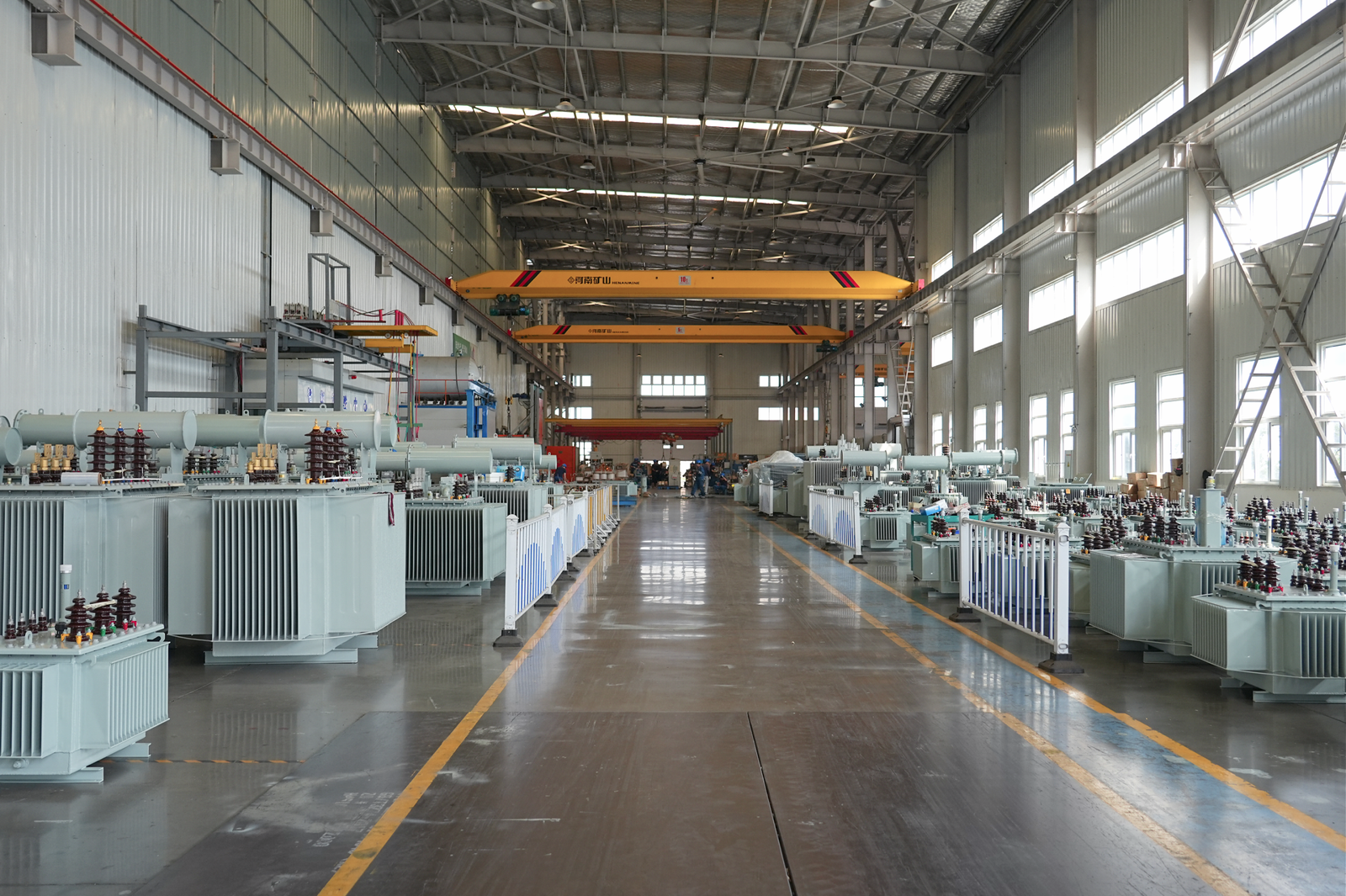
Transformer manufacturing brings together a series of carefully coordinated production stages. From handling internal components to completing the external connections, each step must follow the transformer design and the technical requirements of the project. In the assembly area, technicians use lifting equipment to move and position transformer components. The surrounding windings and core sections show the scale of the internal structures that will eventually operate inside the transformer tank. As assembly continues, technicians work around the transformer cover, bushings, connections, and other visible components. Careful positioning at this stage helps prepare the unit for the following inspection and testing procedures. The featured photograph provides a close view of this work on a larger oil-immersed transformer, showing how manual inspection remains an important part of the factory process. After assembly, electrical measurements provide technical data for reviewing the transformer against its specified requirements. Test leads are connected to the appropriate terminals, while the operator monitors the equipment and records the results. The testing area shown here contains several oil-immersed distribution transformers connected to the test system. The arrangement allows technicians to work with different units in an organized factory environment. After assembly, electrical measurements provide technical data for reviewing the transformer against its specified requirements. Test leads are connected to the appropriate terminals, while the operator monitors the equipment and records the results. The testing area shown here contains several oil-immersed distribution transformers connected to the test system. The arrangement allows technicians to work with different units in an organized factory environment. These photographs present three connected stages inside the OMEGA factory: component handling, transformer assembly, and electrical testing. Together, they give customers a clearer view of the people, equipment, and production environment behind the finished transformer. If your project has specific requirements for transformer capacity, voltage levels, testing, documentation, or customer witness arrangements, contact our team at info@omegatransformer.com.
Electrical Testing for Distribution Transformers
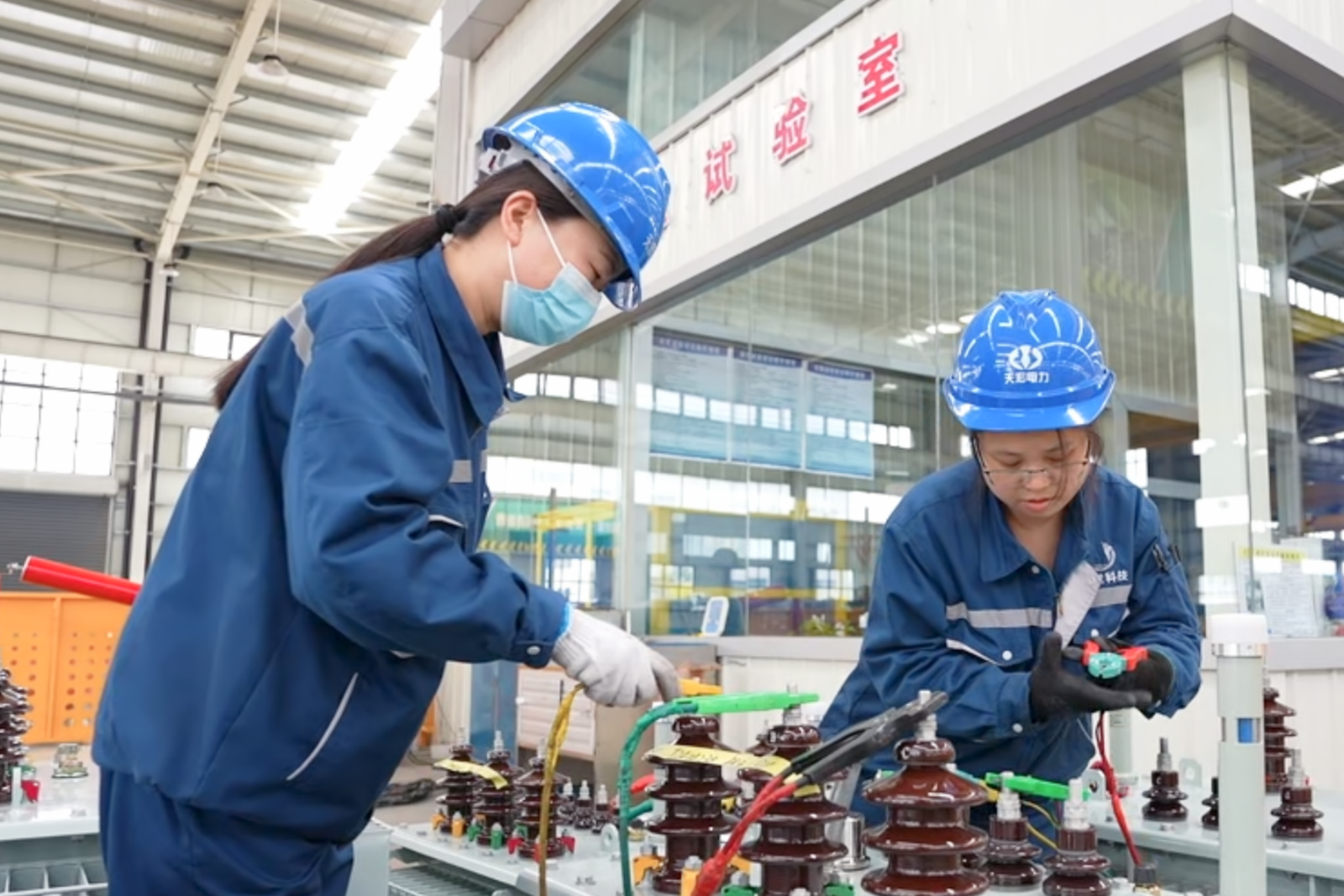
Electrical testing is an important stage before a transformer leaves the factory. It allows technicians to check the electrical characteristics of the unit and compare the recorded data with the agreed technical requirements. At OMEGA Transformer, technicians connect the test leads carefully to the transformer terminals and confirm that each connection is correctly positioned before beginning the measurement. The results are then reviewed and recorded as part of the inspection process. Measurements are monitored from the nearby control station. The digital system helps the operator observe the test data while technicians work with the transformer in the testing area. The open workshop layout also allows several transformers to be inspected in an organized production environment. Each unit follows the applicable project specifications and the inspection requirements agreed with the customer. Measurements are monitored from the nearby control station. The digital system helps the operator observe the test data while technicians work with the transformer in the testing area. The open workshop layout also allows several transformers to be inspected in an organized production environment. Each unit follows the applicable project specifications and the inspection requirements agreed with the customer. Transformer Specifications and Test Documentation Review the specifications for our S13 oil-immersed distribution transformer or SC(B)18 dry-type power transformer. For a project quotation, contact OMEGA Transformer with the required capacity, voltage ratio and testing requirements.